
In a meteorological perspective; when warm, humid air rises in a conditionally unstable environment thunderstorms occur. These thunderstorms can produce heavy rains, high winds, damaging hail, tornadoes and flash floods. The UK is affected by 6 different air masses that have different temperatures and different moisture contents. All these air masses are responsible for the rainfall in the UK.
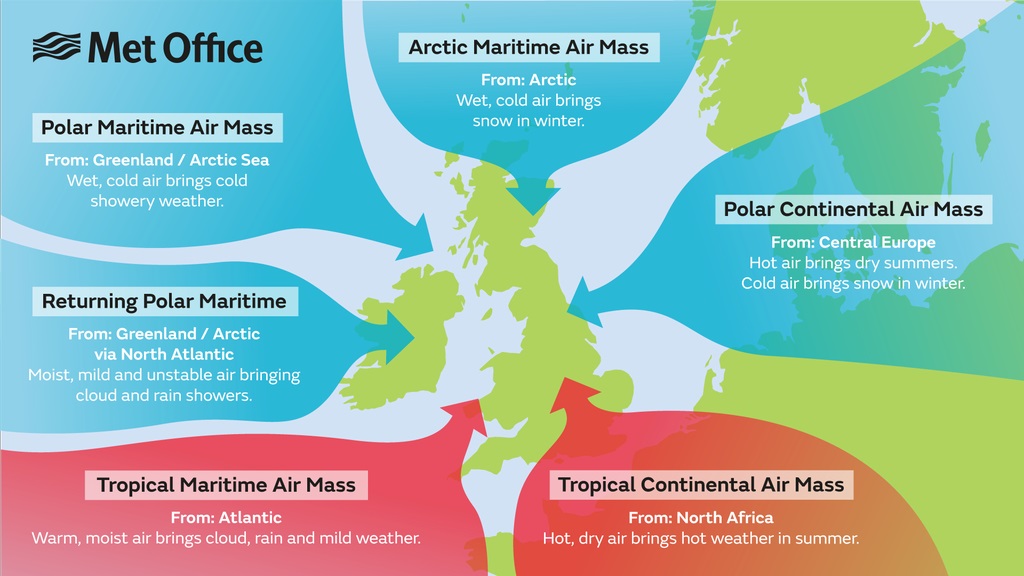
Figure 1. Air masses that affect the UK (Image courtesy: Met Office).
The UK gets an average 885 millimeters of rain and snow which makes it more suitable to have floods. In England the most common forms of floods are; river, coastal, surface water, sewer and groundwater floodings.
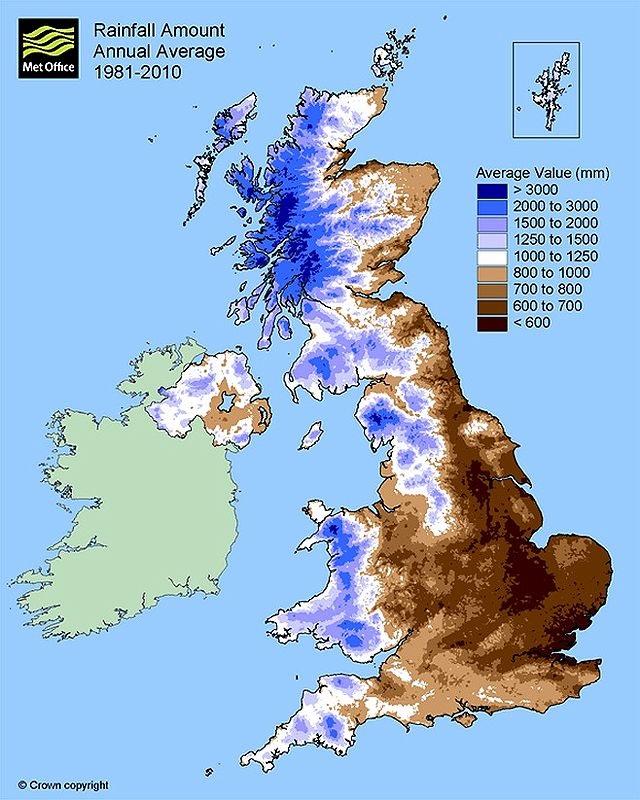
Figure 2. Annual average rainfall distribution in the UK (Image courtesy: Met Office).
Causes of the main flooding types are;
- River flooding happens when a river cannot cope with the water coming into it from the land. This may occur after a heavy rainfall when surface runoff is extreme while the existing river is already filled until its overflow capacity.
- Coastal flooding occurs when there is heavy rainfall with strong winds. When both of these are combined high tides can occur which could result in coastal flooding.
- Surface flooding happens when heavy rainfall overwhelms the drainage capacity of the land.
- Sewer flooding happens when sewers are filled with heavy rainfall or being blocked. This would cause the surface to be flooded with dirty water that would pollute clean water sources and spread diseases.
- Groundwater flooding happens when groundwater level rises above the surface level.
All these types of floods are mainly caused by heavy rainfall, ground and surface water level changes, winds and other kinds of meteorological parameters.
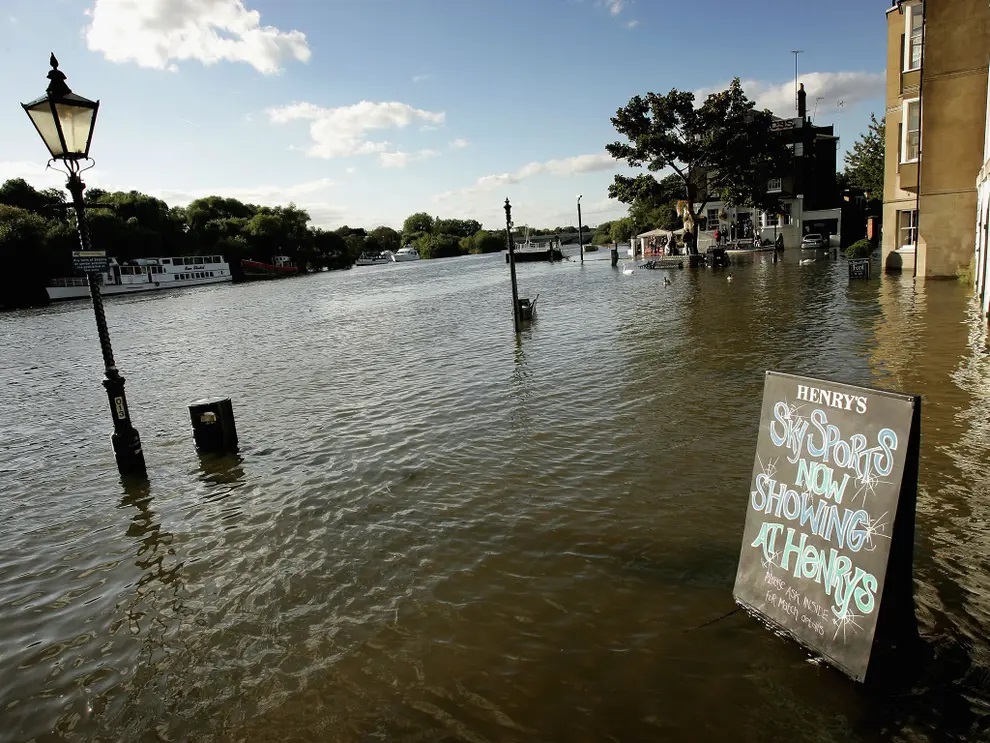
Figure 3: Flooding in London, in 2006 (Image courtesy: Getty Images).
Around 2.4 million property is currently at risk of river and coastal flooding according to the environmental agency. London has the highest number of people at risk from flooding while the second highest number belongs to Yorkshire and Humber and the third belongs to the South East England Region.

Figure 4. Number of properties that are at risk of river and coastal flooding (Image courtesy: Flooding in England: A National Assessment of Flood Risk Report, Environmental Agency, 2009).
People living in the UK are more likely to get flooded than burgled and around one in six homes are at risk of floods. Around £4 billion is spent for the flood defences in the UK. It is also estimated that flooding results in around £1 billion annual damage costs.
Since floods occur due to unavoidable meteorological conditions, prevention from floods are not always achievable and feasible. In order to manage floodings, a risk-based approach should be taken into consideration. Reducing the probability of the flood occurrences as well as minimizing the effects of the floods are the two main actions that should be taken.
Floods can cause;
- Deaths and injuries that are caused by either flood itself or by drifting objects,
- Damages to properties and their contents,
- Reduction in property values in the area.
In order to lower the risk of flood or decrease the impacts of flooding;
- Defences should be well maintained and if it is needed new defences should be constructed.
- Flood water should be diverted to the unpopulated areas.
- New building constructions in the flood risk areas should be restricted and development should be directed into low risk areas.
- Flood forecasts and warnings should be done and every citizen should be informed of the situation immediately in case of emergency.
Since climate change is at the door everyone should be aware that the risk of facing floods are much higher in the following years. Therefore we believe that getting insurance against floodings especially in the UK is very important for homeowners and landlords. In the next blog post we will be mentioning the importance of weather forecasting on life. Stand by for our next post and stay healthy 😊
Resources:
